Welcome to Module 1 – Demystifying Working with Young People. This two-part series builds practical skills for recognizing and reducing unconscious bias, helping support inclusive, and developmentally attuned care for young people.
Schizophrenia: Many SGAs are indicated as a first line therapy for schizophrenia in adolescents and for the positive symptoms of psychotic disorders in general. SGAs treat active psychosis as well as decrease relapses if remission from active symptoms is achieved.
Depression: SGAs are not indicated for treatment of depression in adolescents unless a psychotic depression was present. For a depression without psychotic symptoms, first line treatment is an SSRI antidepressant. The potential side effects of SGAs and lack of clinical evidence supporting efficacy of SGAs in depression in adolescents without psychotic symptoms are both reasons SGAs would not be prescribed for this condition.
Bipolar Disorder: Some SGAs are indicated for treatment of bipolar disorder in adolescents. They stabilize mood as well as treat psychotic symptoms associated with mania. SGAs can be used alone or in combination with mood stabilizers to treat bipolar disorder. Often they are used in combination with mood stabilizers especially to stabilize mania in its initial phase as the mood stabilizers are titrated up.
ADHD: SGAs are not indicated to treat ADHD. They are sometimes used in conjunction with expert consultation for off-label, preferably third-line use, for short-term treatment for significant irritability and explosive emotions/behaviours while stabilizing on first-line and/or second-line treatment. First-line treatment for ADHD includes monotherapy with long acting stimulants; second-line treatment includes short-acting stimulants, atomoxetine, or guanfacine XR (alone or in combination with long-acting stimulants). Third-line treatments include clonidine (monotherapy or in combination with stimulants), bupropion or noradrenergic tricyclic antidepressants. Comorbidities should be treated with first-line treatments specific to the individual condition.
Eating Disorders (AN, BN, ARFID): SGAs are primarily prescribed for symptom management in severe eating disorders in children and adolescents. There are mixed results for enduring effects on weight restoration and any potential benefits are balanced with the well-established risks. For treatment of AN, there are limited positive open-label studies with the use of olanzapine. Quetiapine and aripiprazole have even fewer studies with mild benefit noted at times. Risperidone does not have evidence for use in AN. Olanzapine has limited positive reports for use in ARFID. Use of SSRIs, specifically fluoxetine, has the most evidence for bulimia nervosa, in which high doses are demonstrated to reduce purging behaviour. There are risks for increased binging with SGAs in BN. SGAs are sometimes used off-label to help with emotional and behavioral regulation or depression and anxiety symptoms, but experts should be consulted prior to initiating treatment. Comorbidities should be treated with first line agents (NOTE: bupropion is contraindicated in eating disorders secondary to increased seizure risk).
1. Weight gain management guidelines:
Situation 1:
Normal weight gain associated with growth and development
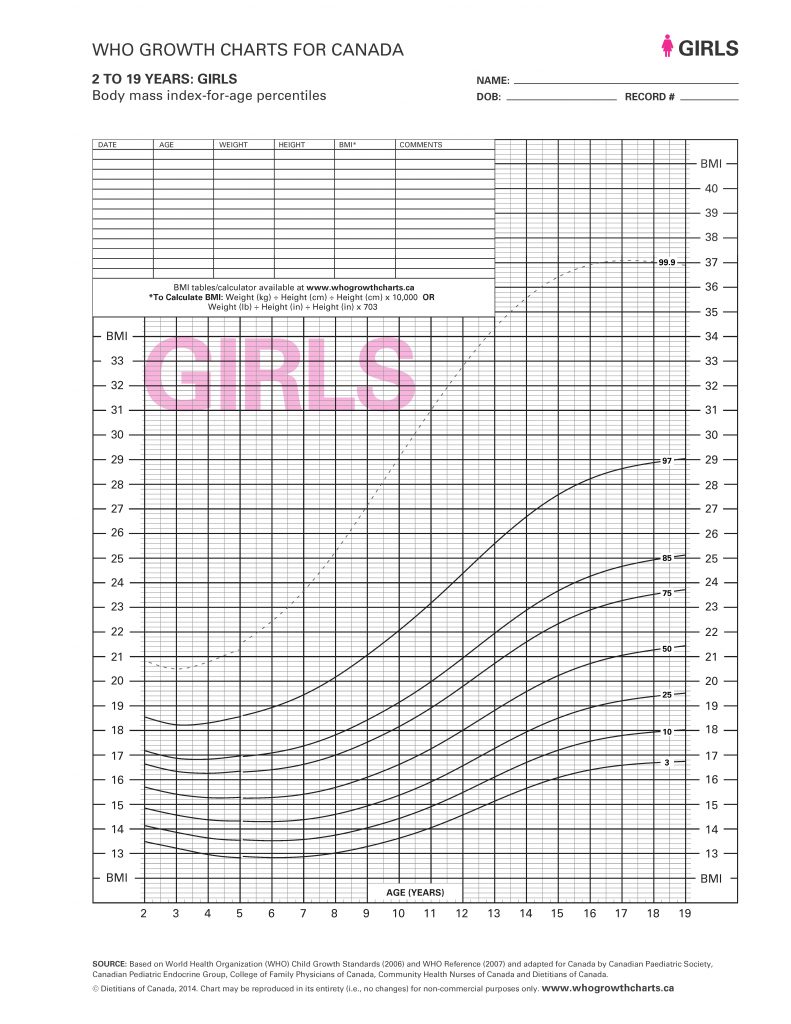
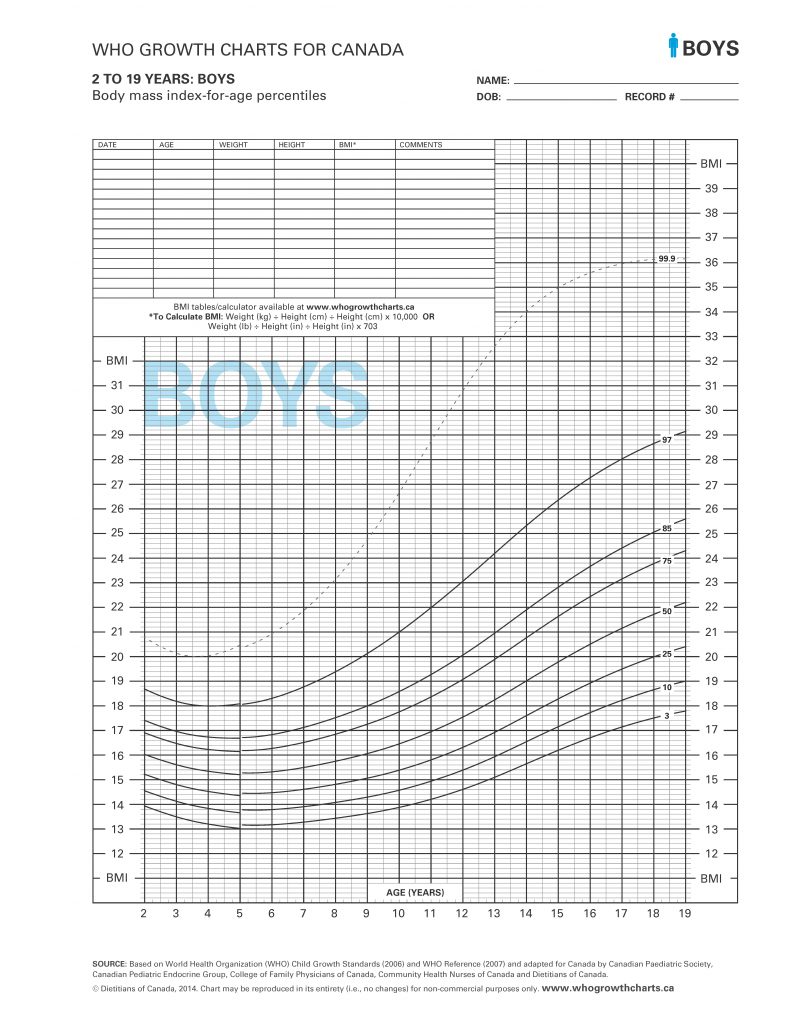
Recommendation: Repeat weight measurement at next scheduled screen. Provide information on the importance of lifestyle for decreasing risk of weight gain.
Situation 2:
Significant weight gain noted, especially within first three months of medication use and/or child is overweight, obese or has pre-existing metabolic conditions prior to starting SGA treatment
Recommendation:
1.Lifestyle intervention
Second generation antipsychotic medication use in children and youth is associated with weight gain and metabolic complications. It is therefore strongly recommended that patients receive counselling (nutrition, lifestyle and exercise) at the initiation of therapy regardless of baseline body mass index. This is particularly important in a child who is overweight, obese or has existing metabolic symptoms prior to treatment with a second generation antipsychotic medication.
2. Re-evaluate use of SGA to minimize weight gain
Consider the following questions:
Is the lowest effect dose being used? In particular, higher doses of risperidone and olanzapine have been associated with greater weight gain in children.
Can an alternative SGA be prescribed that has a lower side effect profile for weight gain?
Is the patient taking other medications that also cause weight gain? If yes, can they be stopped, reduced or altered?
1. Abnormal prolactin management guidelines:
Elevations in prolactin levels may be associated with signs and symptoms such as gynecomastia, galactorrhea, infertility, menstrual irregularities, oligomenorrhea, amenorrhea, sexual dysfunction, decreased libido, acne and hirsutism in females. However, hyperprolactinemia may be asymptomatic in some individuals, particularly in prepubertal children.
Situation 1:
Normal Prolactin
Recommendation: Repeat prolactin measurement at next scheduled screen.
Situation 2:
Abnormal Prolactin
Recommendation: Re-evaluate use of SGA:
Is the lowest effective dose of the SGA being used?
Can the SGA be switched to a prolactin-sparing agent, which can result in return to normal levels of prolactin within weeks?
If continued treatment with the current SGA is essential for the patient’s psychiatric illness, consult with a specialist regarding further management of the hyperprolactinemia. There are potential long-term effects of hyperprolactinemia, particularly osteoporosis, even in asymptomatic patients. This is concerning given the importance of bone mineral accrual through adolescence with peak bone mass occurring in late adolescence.
If there are clinical concerns, consider specialist consultation for further investigation regarding other causes of hyperprolactinemia and/or amenorrhea.
Recommendation: Repeat TG measurement at next scheduled screen.
Situation 2:
Normal TG ≥ 1.5 mmol/L
Recommendation: Re-evaluate use of SGA to minimize weight. Consider cognitive/behavioural lifestyle intervention aimed at weight loss. Consider consultation with specialist if TG ≥ 5 mmol/L for possible medical therapy.
1. Weight gain management guidelines:
Situation 1:
Normal weight gain associated with growth and development
Recommendation: Repeat weight measurement at next scheduled screen. Provide information on the importance of lifestyle for decreasing risk of weight gain.
Situation 2:
Significant weight gain noted, especially within first three months of medication use and/or child is overweight, obese or has pre-existing metabolic conditions prior to starting SGA treatment
Recommendation:
1.Lifestyle intervention
Second generation antipsychotic medication use in children and youth is associated with weight gain and metabolic complications. It is therefore strongly recommended that patients receive counselling (nutrition, lifestyle and exercise) at the initiation of therapy regardless of baseline body mass index. This is particularly important in a child who is overweight, obese or has existing metabolic symptoms prior to treatment with a second generation antipsychotic medication.
2. Re-evaluate use of SGA to minimize weight gain
Consider the following questions:
Is the lowest effect dose being used? In particular, higher doses of risperidone and olanzapine have been associated with greater weight gain in children.
Can an alternative SGA be prescribed that has a lower side effect profile for weight gain?
Is the patient taking other medications that also cause weight gain? If yes, can they be stopped, reduced or altered?
2. Fasting plasma glucose and insulin complications management guidelines:
Situation 1:
Normal FPG = FPG < 6.1 mmol/L
Recommendation: Repeat FPG check at next scheduled screen. If the fasting insulin is above the upper limit of normal for the assay being used, consider an oral glucose tolerance test (OGTT) and specialist consultation. For those individuals with an FPG value of 5.6 to 6.0 mmol/L, consider an OGTT.
Situation 2:
Impaired FPG = 6.1 to 6.9 mmol/L
Recommendation: Consider OGTT and specialist consultation if abnormal. Consider metformin in consultation with a specialist.
Situation 3:
Abnormal FPG = FPG ≥ 7 mmol/L
Recommendation: Consult with specialist for the management of diabetes.
Situation 1:
Normal weight gain associated with growth and development
Recommendation: Repeat weight measurement at next scheduled screen. Provide information on the importance of lifestyle for decreasing risk of weight gain.
Situation 2:
Significant weight gain noted, especially within first three months of medication use and/or child is overweight, obese or has pre-existing metabolic conditions prior to starting SGA treatment
Recommendation:
1.Lifestyle intervention
Second generation antipsychotic medication use in children and youth is associated with weight gain and metabolic complications. It is therefore strongly recommended that patients receive counselling (nutrition, lifestyle and exercise) at the initiation of therapy regardless of baseline body mass index. This is particularly important in a child who is overweight, obese or has existing metabolic symptoms prior to treatment with a second generation antipsychotic medication.
2. Re-evaluate use of SGA to minimize weight gain
Consider the following questions:
Can the medication be stopped? Give strong consideration if severe side effects are encountered.
Is the lowest effect dose being used? In particular, higher doses of risperidone and olanzapine have been associated with greater weight gain in children.
Can an alternative SGA be prescribed that has a lower side effect profile for weight gain?
Is the patient taking other medications that also cause weight gain? If yes, can they be stopped, reduced or altered?